Pastor Keion Henderson talks Lazy Love in Rolling Out
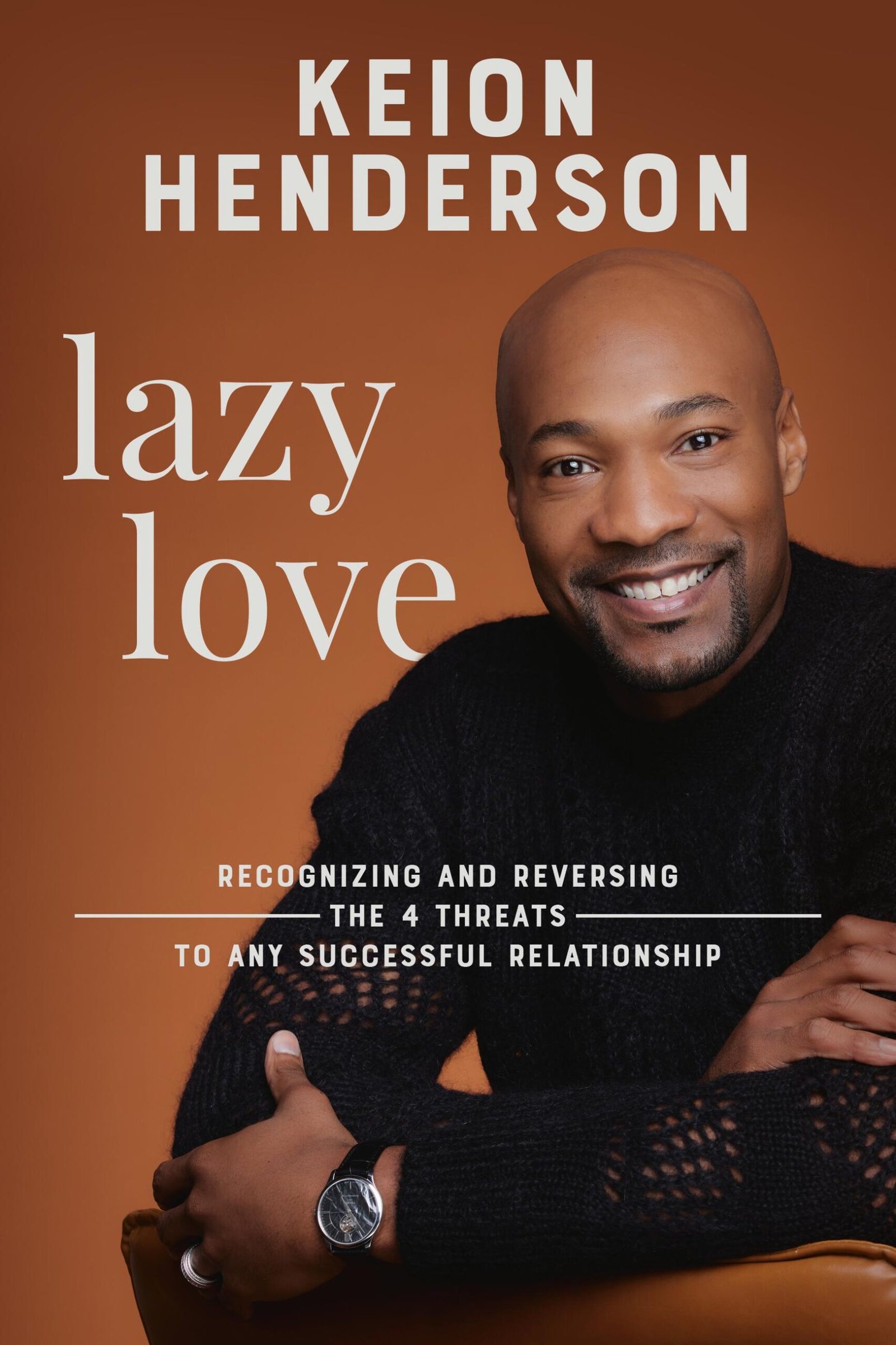
Rolling Out turned its spotlight toward Pastor Keion Henderson in its In the Spirit series this month, and what unfolded reads less like a celebrity pastor profile and more like a diagnosis. The founder and senior pastor of The Lighthouse Church and Ministries in Houston sat down to talk about something he kept noticing in the people he shepherds, a quiet emotional withdrawal that looks like love on the surface but functions as self-protection underneath. He gave it a name in his book Lazy Love, and the feature unpacks why this one idea explains so much about why our relationships struggle.
The metaphor at the center of it all is, of all things, a sloth. Pastor Keion explains that the sloth is not naturally as slow as we assume. It feeds on a leaf that sedates its nervous system, and the slowness follows. He sees the same thing happening in people who have been hurt over and over again. Every rejection and every failed relationship hits the emotional system and slows it down a little more, until what looks like laziness in love is really a loss of trust that has learned to call itself caution. And here is the part that stopped me in my tracks. We carry that slowness into new relationships and make a new person pay for an old person’s offense. His mother had a saying for it, making somebody cash a check they did not write. If you have ever sat across from someone who was being punished for what their predecessor did, you know exactly how true that is.
What I love about how Pastor Keion frames the remedy is that he takes us straight to the cross. When Jesus chose to love humanity, there was nothing reserved or passive about it. He carried a cross up a hill and gave everything He had. That is the standard, and lazy love is its exact opposite. Loving someone well means showing up fully instead of waiting to see what the other person brings to the table first. It means noticing when your beloved has nothing left and being willing to carry the load for both of you until they recover. As a woman who has lived through seasons of marriage and ministry where one of us had to carry more than our share, I can testify that this is not theory. It is the only way covenant survives.

That is also why his rejection of the 50-50 relationship model rings so true. The math sounds fair, but it assumes both people are always functioning at the same level on the same day, and life simply does not work that way. Pastor Keion describes a healthy relationship as two people so in tune that they can read what the other needs and fill the gap. On the day your husband can only bring 10 percent, you bring 90. Another season, the numbers reverse. The goal was never balance. The goal is coverage. He is honest enough to admit there have been seasons when he could not bring half of anything, and if his relationships had depended on that threshold, they would not have made it. Neither would most of ours.
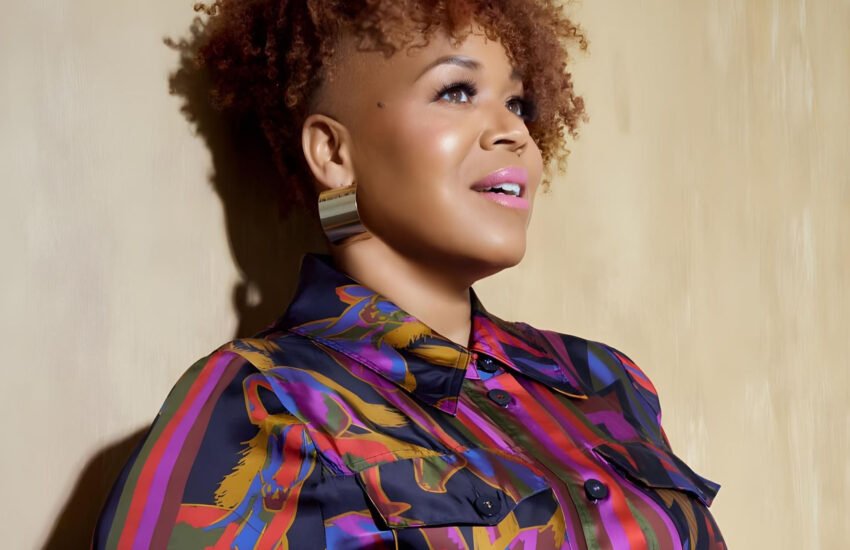
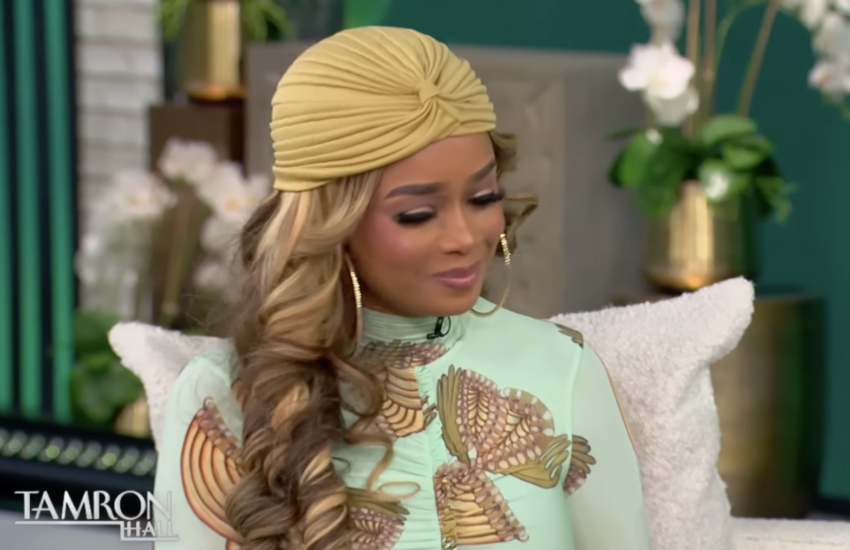
And he is not teaching this from a podium alone. Pastor Keion is married to Lady Shaunie Henderson, and together they have built a ministry that models the very covenant he writes about, two people covering each other’s gaps in front of a watching world. From co-laboring at The Lighthouse Church to creating the Cry Out movement that has given thousands a safe place to heal, theirs is a partnership where the message and the marriage tell the same story. In 2026 they are carrying that story even further with their Not Your Typical Tour, a multi-city faith experience bringing free, high-energy gatherings to cities across the country and around the world. The name fits, because nothing about how they love or how they lead has ever been typical.
The feature closes with the hardest and holiest assignment of all, confronting the past so the present has a chance. Pastor Keion is clear that acknowledgment comes first, because we cannot change what we refuse to name. That means asking the honest questions, like why trust comes so hard for you, or what a missing parent or an emotionally unavailable caregiver taught you about how love is supposed to feel. Then he offers a reframe I want every woman reading this to hold onto. The pain that was inflicted on you is not your fault, but what you do with it is your responsibility. He calls that accountability without blame, and it opens the door out of loving under the influence of old wounds.
I am grateful Rolling Out made room for this conversation, because it is one the church and the culture need at the same table. Pastor Keion is not inviting anyone to love perfectly. He is inviting us to love consciously, to slow down long enough to understand what has been slowing us down, and then to choose something different. If you ask me, beloved, that is sanctification with skin on it.